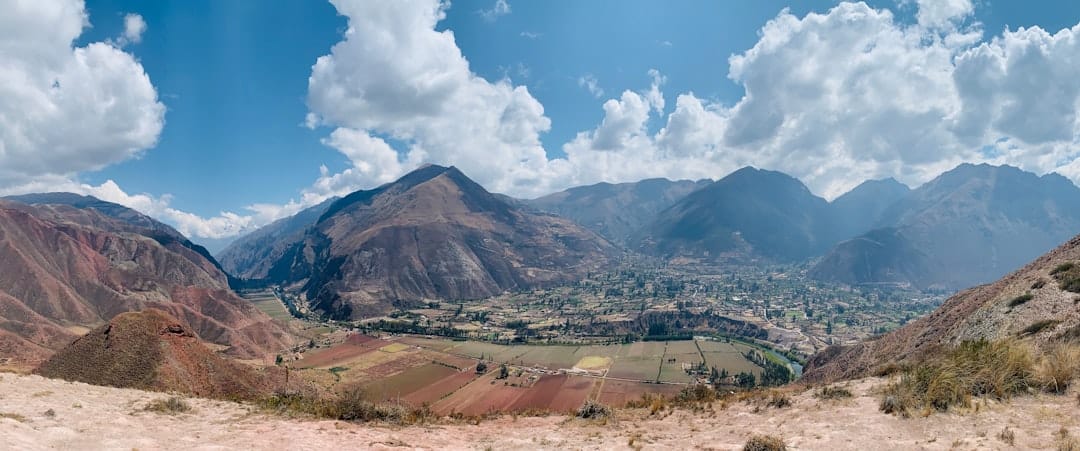
Sacred Valley of Peru

Peru Work Visa

Peru's work visa (Visa de Trabajo) allows foreign nationals to live and work in Peru under a contract with a Peruvian employer. The employer must sponsor the visa and demonstrate that the position cannot be filled by a local worker.

4-6 weeks

Why Choose PeruVisas?

English-Speaking TeamYes
Countries Served50+
Processing Time4-6 weeks
Full SupportYes

Requirements Checklist

Valid employment contract with a Peruvian company (minimum 1-year term)
Valid passport with at least 6 months remaining validity
Criminal background check from your country of origin (apostilled)
University degree or professional certification relevant to the position (apostilled)
Employer's letter of sponsorship detailing the role, salary, and duration
Completed visa application form (Formulario F-004)
Four passport-sized photos (white background, recent)
Proof that the employer complies with Peru's foreign worker quota (no more than 20% of workforce)
Employer's SUNARP registration and RUC documentation
Health certificate from a licensed physician

Key Benefits

Legal authorization to live and work in Peru
Access to Peru's social security system (ESSALUD)
Employer contributions to pension fund (AFP or ONP)
Path to permanent residency after 3 consecutive years of legal employment
Ability to bring dependents (spouse and minor children)
Open bank accounts and access financial services in Peru
Full labor protections under Peruvian employment law
Access to Peru's healthcare system through employer contributions

Overview of Peru's Work Visa

Peru's work visa, known as the Visa de Trabajo or Calidad Migratoria de Trabajador, is the primary pathway for foreign nationals seeking legal employment in the country. Administered by Migraciones (Superintendencia Nacional de Migraciones), this visa requires sponsorship from a Peruvian employer and is tied directly to your employment contract.

Peru's growing economy, particularly in sectors like mining, technology, education, and tourism, creates opportunities for qualified foreign professionals. However, the process is employer-driven, meaning you must secure a job offer before you can apply for the visa.

Requirements in Detail

Employment Contract

Your employment contract must be with a legally registered Peruvian company and must specify the role, salary, duration, and working conditions. The contract must comply with Peruvian labor law, including minimum salary requirements and benefits such as vacation, bonuses (gratificaciones), and severance (CTS). The minimum contract duration for visa purposes is typically one year.

Professional Qualifications

Migraciones requires proof that you are qualified for the position. This typically means a university degree or professional certification relevant to the role. Your degree must be apostilled by the issuing country and translated into Spanish by a certified translator. In some cases, you may need to have your degree validated by SUNEDU (Superintendencia Nacional de Educacion Superior Universitaria).

Employer Compliance

Your employer must demonstrate that they comply with Decreto Legislativo 689, which limits foreign workers to 20% of a company's total workforce and 30% of total payroll. The employer must provide their SUNARP registration (company registration) and RUC (tax identification number) as part of the application.

Work Permit vs. Work Visa

It is important to understand the distinction between a work permit (contrato de trabajo aprobado) and a work visa (visa de trabajo):

  • The work permit is the approval of your employment contract by the Ministry of Labor (MTPE). Your employer submits the contract, and the Ministry verifies compliance with labor quotas and other regulations.
  • The work visa is the immigration authorization issued by Migraciones that allows you to reside in Peru for the purpose of employment.

Both are required. The work permit must be obtained first, and it serves as a prerequisite for the work visa application. Your employer handles most of the work permit process, while you are responsible for gathering personal documents for the visa.

Employer Responsibilities

Peruvian employers who sponsor foreign workers take on significant legal obligations:

  • Filing the employment contract with the Ministry of Labor for approval
  • Paying visa processing fees (in many cases, employers cover these costs)
  • Ensuring quota compliance and maintaining accurate records of foreign and domestic workers
  • Contributing to social security (ESSALUD) and pension funds (AFP or ONP) on behalf of the employee
  • Providing the same labor protections as Peruvian employees, including vacation time (30 days/year), two annual bonuses (gratificaciones in July and December), and severance deposits (CTS)
  • Notifying Migraciones if the employment relationship ends

Industries Hiring Foreign Workers

Several sectors in Peru regularly hire foreign professionals:

Mining and Energy Peru is one of the world's largest producers of copper, gold, silver, and zinc. International mining companies like Southern Copper, Freeport-McMoRan, and BHP operate major projects in Peru and frequently hire foreign engineers, geologists, and project managers. Salaries in mining are among the highest in the country.

Technology and Startups Lima's tech ecosystem has grown significantly, with companies in fintech, e-commerce, and software development actively recruiting foreign developers, product managers, and data scientists. San Isidro and Miraflores are the primary business districts where most tech companies are headquartered.

Education and Language Teaching English language schools and international schools throughout Peru hire foreign teachers. While pay is generally modest ($800-1,500 USD/month), these positions often include housing assistance and are a common entry point for foreigners. A TEFL/TESOL certification is typically required for language teaching positions.

Tourism and Hospitality Peru's tourism industry, anchored by Machu Picchu, Cusco, and the Amazon, employs foreign workers in hotel management, tour operations, and culinary roles. Lima's restaurant scene, widely regarded as the best in South America, also attracts international chefs and hospitality professionals.

NGOs and International Organizations Lima hosts regional offices for many international organizations including the United Nations, World Bank, Inter-American Development Bank, and numerous NGOs. These positions often come with international salary packages and benefits.

Step-by-Step Process

  1. Secure a job offer from a Peruvian employer willing to sponsor your visa
  2. Employer submits employment contract to the Ministry of Labor (MTPE) for approval
  3. Gather your personal documents: passport, criminal background check (apostilled), degree (apostilled), health certificate, photos
  4. Have all foreign documents translated into Spanish by a certified translator
  5. Employer files the visa application with Migraciones, or you apply at a Peruvian consulate abroad
  6. Attend biometrics appointment at Migraciones (if applying in Peru)
  7. Receive your Carnet de Extranjeria upon approval (your foreign resident ID)
  8. Register with SUNAT for your RUC (tax identification) if required by your employer

Salary and Tax Considerations

Foreign workers in Peru are subject to Peruvian income tax. The tax rate for non-domiciled individuals (those who have lived in Peru for less than 183 days in a 12-month period) is a flat 30%. Once you become domiciled (after 183 days), you are taxed on a progressive scale ranging from 8% to 30%, which can be more favorable depending on your income level.

Your employer will withhold income tax and make contributions to ESSALUD (9% of salary, paid by employer) and your pension fund (approximately 13%, deducted from your salary). You are also entitled to the same benefits as Peruvian workers, including two annual bonus payments (each equivalent to one month's salary), 30 days of paid vacation per year, and CTS severance deposits.

Important Reminders

  • Do not work without proper authorization. Working on a tourist visa is illegal and can result in fines, deportation, and a ban on re-entry.
  • Keep your documents current. Renew your visa before it expires and maintain copies of all immigration documents.
  • Understand your labor rights. Peruvian labor law provides strong protections for all workers, including foreign nationals. If you experience workplace issues, you can file complaints with SUNAFIL (labor inspection authority).

Frequently Asked Questions

You can search for jobs and attend interviews while on a tourist visa, but you cannot legally work until your work visa is approved. Many employers will begin the sponsorship process once they have selected a candidate, and the applicant may need to leave Peru briefly to finalize the visa at a consulate.
Peruvian labor law (Decreto Legislativo 689) limits foreign workers to 20% of a company's total workforce and 30% of total payroll. Employers must demonstrate compliance with this quota when sponsoring a foreign worker. Certain exceptions exist for managerial staff, technical specialists, and professionals in shortage occupations.
The work visa is initially granted for one year, aligned with your employment contract. It can be renewed annually as long as you maintain valid employment. After three consecutive years, you may apply for permanent residency.
If your employment ends, you have a grace period (typically 30 days) to either find a new employer who will sponsor your visa, change your immigration status, or leave Peru. Working without a valid visa and sponsoring employer is illegal and can result in fines or deportation.
There is no formal Spanish language requirement for the work visa. However, most employers will require at least working proficiency in Spanish, and Migraciones conducts its processes primarily in Spanish. Many multinational companies in Lima operate in English.
No. Dependents on a family visa linked to your work visa are not automatically authorized to work. Your spouse would need to obtain their own work visa with an independent employer sponsor to work legally in Peru.

GET STARTED

Book Your Free Consultation

Get expert guidance on your Peru visa options within 24 hours.

By submitting this form, you agree to our privacy policy. We'll never share your information.