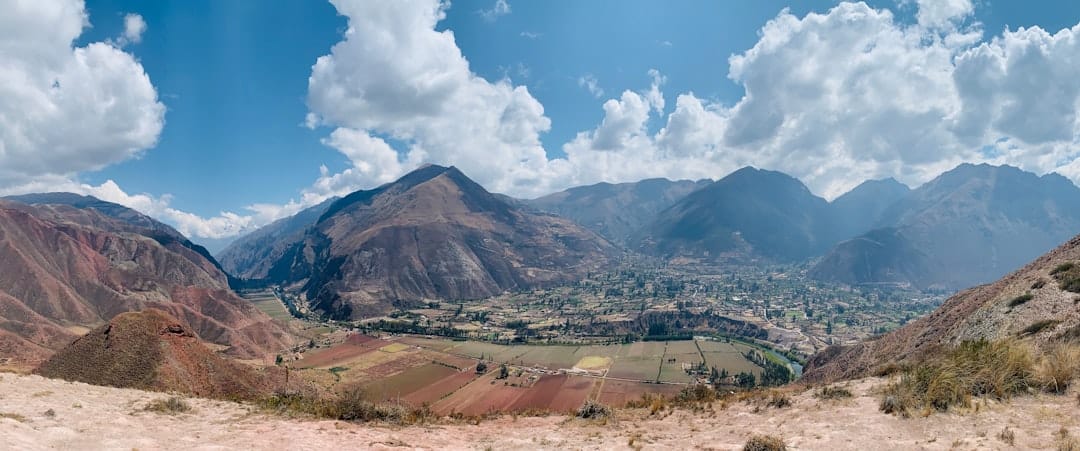
Sacred Valley of Peru

Peru Student Visa

Peru's Student visa (Visa de Estudiante) allows foreign nationals to reside in Peru while enrolled in a recognized educational institution. From university programs to language schools, this visa covers a range of academic pursuits in one of South America's most culturally rich countries.

4-6 weeks
Last Updated: February 2026

Why Choose PeruVisas?

English-Speaking TeamYes
Countries Served50+
Processing Time4-6 weeks
Full SupportYes

Requirements Checklist

Acceptance letter from a recognized Peruvian educational institution
Valid passport with at least 6 months remaining validity
Criminal background check from your country of origin (apostilled)
Proof of financial means to cover tuition and living expenses
Completed visa application form (Formulario F-004)
Four passport-sized photos (white background, recent)
Health certificate from a licensed physician
Proof of health insurance valid in Peru
Academic transcripts from previous institutions (apostilled and translated)
Proof of accommodation in Peru (dormitory assignment, rental contract, or host family letter)

Key Benefits

Legal residency in Peru for the duration of your studies
Access to Peru's educational system and academic resources
Ability to apply for limited part-time work authorization
Cultural immersion in one of South America's most diverse countries
Potential pathway to other visa categories after graduation
Discounted rates at museums, cultural sites, and public transportation with student ID
Access to university health services and campus facilities
Opportunity to learn Spanish in an immersive environment

Studying in Peru: An Overview

Peru offers a unique combination of academic opportunity, cultural richness, and affordability that makes it an increasingly popular destination for international students. From the prestigious universities of Lima to specialized programs in Cusco, Arequipa, and beyond, studying in Peru provides an immersive experience that goes far beyond the classroom.

The country is home to some of Latin America's oldest and most respected universities, including the Pontificia Universidad Catolica del Peru (PUCP), founded in 1917, and the Universidad Nacional Mayor de San Marcos, the oldest continuously operating university in the Americas (founded in 1551). These institutions, along with dozens of others, welcome international students across a wide range of disciplines.

Eligible Institutions

To qualify for a Student visa, you must be enrolled in an institution recognized by SUNEDU (Superintendencia Nacional de Educacion Superior Universitaria) or Peru's Ministry of Education (MINEDU). Eligible institutions include:

Universities (Universidades)

  • National (public) universities such as San Marcos, UNI, and Universidad Nacional Agraria
  • Private universities such as PUCP, Universidad de Lima, Universidad del Pacifico, and ESAN
  • International branch campuses

Technical and Vocational Institutes

  • Recognized institutes offering technical diplomas and certifications
  • Culinary schools (Peru's gastronomy programs are world-renowned)
  • Art and design institutes

Language Schools

  • Accredited Spanish language schools offering intensive full-time programs
  • Cultural immersion programs affiliated with recognized institutions

Graduate and Research Programs

  • Master's and doctoral programs at accredited universities
  • Research fellowships and academic exchange programs
  • Programs sponsored by international organizations (Fulbright, DAAD, Erasmus+, etc.)

Popular Fields of Study

Peru's academic strengths align with its unique geographic, cultural, and economic characteristics:

  • Archaeology and Anthropology: Peru's pre-Columbian heritage (Inca, Moche, Nazca, Chavin civilizations) makes it a premier destination for archaeological and anthropological study
  • Marine Biology and Ecology: The Humboldt Current creates one of the world's richest marine ecosystems along Peru's coast
  • Mining Engineering: As a global mining leader, Peru's universities offer top-tier programs in mining and geological engineering
  • Gastronomy and Culinary Arts: Lima is widely considered the culinary capital of South America, and schools like Le Cordon Bleu Peru and USIL's gastronomy program attract students worldwide
  • Business and Economics: Programs at ESAN, Universidad del Pacifico, and Centrum PUCP are among the most respected in Latin America
  • Spanish Language and Latin American Studies: Immersive programs combining language instruction with cultural and historical study

Costs of Studying in Peru

One of Peru's greatest advantages for international students is affordability:

Tuition

  • Public universities: Extremely affordable, often under $500 USD per year, though admission can be competitive
  • Private universities: Range from $2,000 to $15,000 USD per year depending on the institution and program
  • Language schools: Intensive programs typically cost $500-1,500 USD per month
  • Graduate programs: MBA and specialized master's programs range from $5,000 to $25,000 USD total

Living Expenses

  • Accommodation: $200-600 USD/month for a room or shared apartment in Lima; less in other cities
  • Food: $150-300 USD/month (eating out is remarkably affordable in Peru)
  • Transportation: $30-60 USD/month using public transit
  • Total monthly budget: $500-1,200 USD depending on lifestyle and city

Working While Studying

The Student visa does not include automatic work authorization, but there are options:

Part-Time Work Permit You can apply through Migraciones for a permiso especial para firmar contratos, which typically allows up to 20 hours of work per week during the academic term. This requires your institution's endorsement and a job offer from a Peruvian employer.

Internships and Practicas Many Peruvian academic programs include mandatory or optional practicas profesionales (professional internships). These are typically arranged through the institution and may not require a separate work permit if they are part of your curriculum.

Teaching Assistant Positions Some universities offer teaching assistant or research assistant positions to graduate students. These positions may include a stipend and are usually authorized as part of your academic program.

Important: Working without proper authorization is a violation of your visa conditions and can result in penalties, including loss of your student status and potential deportation.

Step-by-Step Application Process

Step 1: Secure Admission Apply to and receive an acceptance letter from a recognized Peruvian institution. The letter must specify the program name, duration, start date, and enrollment status (full-time).

Step 2: Gather Documents Collect all required documents including your criminal background check (apostilled), academic transcripts (apostilled and translated), financial proof, health certificate, and passport photos. Begin this process at least 2-3 months before your intended start date.

Step 3: Apply for the Visa Submit your application either at a Peruvian consulate in your home country or directly at Migraciones in Lima if you are already in Peru on a tourist visa. Include the Formulario F-004 and all supporting documentation.

Step 4: Pay Fees and Attend Biometrics Pay the processing fee and attend your biometrics appointment (fingerprints and photo) at Migraciones.

Step 5: Receive Your Carnet de Extranjeria Upon approval, you will receive your Carnet de Extranjeria, which serves as your student residency ID. Processing typically takes 4-6 weeks.

Extending Your Student Visa

If your program spans multiple years or if you enroll in a new program after completing the first, you can renew your Student visa:

  • Submit a renewal application at Migraciones at least 30 days before your current visa expires
  • Provide an updated enrollment verification from your institution confirming continued full-time student status
  • Demonstrate continued financial means to support yourself
  • Provide a current health certificate and valid health insurance

Renewals are generally approved as long as you remain in good academic standing and have not violated your visa conditions.

Scholarships and Funding

Several scholarship programs support international students in Peru:

  • PRONABEC (Programa Nacional de Becas y Credito Educativo): Peru's national scholarship program offers some opportunities for international students, particularly from other Latin American countries
  • Fulbright Peru: Provides grants for U.S. students to study and conduct research in Peru
  • DAAD: German Academic Exchange Service offers scholarships for programs at Peruvian partner institutions
  • Erasmus+: EU-funded exchange opportunities at select Peruvian universities
  • OAS Scholarships: The Organization of American States offers graduate-level scholarships

Practical Tips for Student Life

  • Open a Peruvian bank account once you have your Carnet de Extranjeria to avoid international transaction fees
  • Get a local phone plan from Claro, Movistar, or Entel for affordable data and calling
  • Use public transportation -- Lima's Metropolitano bus system and Metro Line 1 are efficient and affordable
  • Join student organizations to build your network and practice Spanish
  • Explore beyond Lima -- Peru's regions each offer unique cultural and natural experiences that will enrich your time in the country

Frequently Asked Questions

The Student visa does not automatically include work authorization. However, you can apply for a special work permit (permiso especial para firmar contratos) through Migraciones that allows limited part-time employment, typically up to 20 hours per week. Internships and practicum placements arranged through your institution may also be permitted.
The Student visa is granted for the duration of your academic program, up to one year at a time. For multi-year programs, you renew annually by providing updated enrollment verification from your institution. The visa remains valid as long as you maintain active student status.
Dependents (spouse and minor children) can apply for a dependent visa linked to your Student visa. You will need to demonstrate additional financial means to support them. Dependents are not authorized to work and must maintain their own visa status.
The Student visa expires at the end of your program. After graduation, you must either change to a different visa category (such as a Work visa if you find employment), leave Peru, or apply for an extension if you are continuing to another academic program. There is no automatic post-graduation work authorization.
Yes, enrollment at accredited language schools and cultural institutions can qualify for the Student visa, provided the institution is recognized by Peru's Ministry of Education or SUNEDU. The program must be full-time and of sufficient duration (typically at least 6 months) for visa purposes.
It depends on the program. Most undergraduate programs at Peruvian universities are conducted in Spanish. However, several universities offer graduate programs and specialized courses in English, particularly in business, international relations, and certain STEM fields. Language schools obviously welcome students at all levels.

GET STARTED

Book Your Free Consultation

Get expert guidance on your Peru visa options within 24 hours.

By submitting this form, you agree to our privacy policy. We'll never share your information.