Peru Rentista Visa Guide 2026: Complete Requirements & Process
Back to Blog

Peru Rentista Visa Guide 2026: Complete Requirements & Process

February 3, 2026PeruVisasVisa GuidesUpdated February 2026

What Is the Peru Rentista Visa?

The rentista visa is Peru's resident visa category designed for foreign nationals who can demonstrate a stable, passive income stream. It is one of the most popular pathways for retirees, pensioners, and anyone with investment income who wants to live in Peru long-term without needing a job offer or local business.

Unlike a tourist visa, which limits your stay to 183 days per year, the rentista visa grants you temporary residency for one year, renewable annually. After three consecutive years of residency, you become eligible to apply for permanent residency — and eventually Peruvian citizenship if you choose.

Peru's Superintendencia Nacional de Migraciones (MIGRACIONES) administers the visa, and the requirements have remained relatively stable heading into 2026. Here is everything you need to know.

Income Requirements

The core requirement for the rentista visa is proving a minimum monthly passive income of $1,000 USD (or the equivalent in another currency). For each dependent you include on your application, you must demonstrate an additional $500 USD per month.

Applicant Type Monthly Income Required
Single applicant $1,000 USD
Couple (applicant + spouse) $1,500 USD
Family of three $2,000 USD
Family of four $2,500 USD

Qualifying income sources include:

  • Social Security benefits (US, Canada, UK, etc.)
  • Government or military pensions
  • Private pension plans and annuities
  • Rental income from properties abroad
  • Dividends and investment returns
  • Trust distributions
  • Royalty payments

The income must be passive — meaning it cannot come from active employment or freelance work. MIGRACIONES wants to see that you can support yourself without competing in Peru's local job market.

Document Checklist

Gathering your documents is typically the most time-consuming part of the process. Here is the complete checklist for 2026:

1. Valid Passport Your passport must have at least six months of validity remaining from the date of application. Make sure you have at least two blank pages for visa stamps.

2. Proof of Income This is the centerpiece of your application. Acceptable documents include:

  • Official benefit letters from Social Security Administration (SSA-1099 or equivalent)
  • Pension award letters
  • Bank statements showing consistent deposits over the past 3-6 months
  • Brokerage statements demonstrating dividend or interest income
  • Notarized letters from financial institutions confirming recurring income

3. Criminal Background Check You need a police clearance certificate from your country of residence (or every country where you have lived for more than 12 months in the past five years). For US citizens, this means an FBI background check — not a state-level check.

4. Health Certificate A medical certificate confirming you are in good general health, free from communicable diseases. This can be obtained from a licensed physician in Peru or abroad.

5. Passport-Sized Photos Four recent passport photos with a white background, meeting MIGRACIONES specifications.

6. Application Form The official MIGRACIONES application form, completed and signed. Available at any MIGRACIONES office or downloadable from their website.

7. Proof of Address in Peru A rental contract, utility bill, or notarized letter from your landlord confirming your Peruvian address.

Apostille and Translation Requirements

All foreign documents must be apostilled in the country of origin. The United States, Canada, the UK, Australia, and most EU countries are signatories to the Hague Apostille Convention, which simplifies this process.

After apostille, every non-Spanish document must be officially translated into Spanish by a certified translator registered in Peru. Do not use informal translations — MIGRACIONES will reject them.

Pro tip: Get your apostilles before arriving in Peru. It is significantly harder (and more expensive) to obtain them from abroad once you are already in the country. The FBI background check alone can take 12-16 weeks to process and apostille, so plan accordingly.

Step-by-Step Application Process

Step 1: Enter Peru on a Tourist Visa

Most nationalities — including US, Canadian, UK, Australian, and EU citizens — receive a tourist visa on arrival that allows up to 183 days in Peru per calendar year. You do not need a separate visa to enter.

Use your tourist time to find housing, explore neighborhoods, and begin gathering your Peru-side documents.

Step 2: Gather and Prepare Documents

While still in your home country (or during your tourist stay), assemble all required documents. Get apostilles, FBI checks, and translations completed. This phase typically takes 6-12 weeks if you start from scratch.

Step 3: Hire a Peruvian Immigration Attorney (Recommended)

While not legally required, working with a licensed Peruvian immigration attorney dramatically increases your chances of a smooth approval. They will review your documents, ensure compliance with current regulations, and handle submissions on your behalf.

Expect to pay between $500-$1,500 USD for full-service legal assistance with a rentista visa application.

Step 4: Submit Your Application to MIGRACIONES

File your application at the MIGRACIONES office in Lima (Breña district) or at regional offices in major cities. You will need to:

  • Submit all documents
  • Pay the application fee (approximately $50-100 USD, payable at Banco de la Nación)
  • Provide biometric data (fingerprints and photo)
  • Receive a receipt confirming your application is in process

Step 5: Wait for Processing

Processing times vary, but expect 30-60 business days for a decision. During this period, your legal stay in Peru is protected by your application receipt. You should not leave the country while your application is pending.

Step 6: Receive Your Carné de Extranjería

Upon approval, you will receive your Carné de Extranjería — Peru's foreign resident identification card. This card is your proof of legal residency and is required for opening bank accounts, signing contracts, and accessing services.

Tips for Americans Applying

US citizens face a few unique considerations:

  • FBI Background Check: Request it through the FBI's Identity History Summary process. Processing takes 12-16 weeks by mail, or you can use an FBI-approved channeler for faster results (3-5 weeks). You will then need to apostille the result through the US Department of State.
  • Social Security Letters: Request a benefit verification letter from SSA.gov. This is free and can be downloaded instantly.
  • Tax Obligations: US citizens must continue filing US taxes regardless of where they live. Peru and the US do not have a tax treaty, but the Foreign Earned Income Exclusion and Foreign Tax Credit can help reduce double taxation. Consult an expat tax professional.

Tips for Canadians and Europeans

  • Canadian Police Check: Apply through the RCMP for a certified criminal record check. Processing is approximately 120 days by mail.
  • UK Nationals: Obtain an ACRO police certificate. The UK is an apostille convention member, so the process is straightforward through the Foreign, Commonwealth & Development Office.
  • EU Citizens: Each country has its own police clearance process. Plan for 4-8 weeks of processing time, plus apostille.
  • Healthcare: European Health Insurance Cards (EHIC) do not cover you in Peru. Budget for private health insurance.

Renewal and Path to Permanent Residency

Your rentista visa is valid for one year and must be renewed annually. Renewal requires updated proof of income and a valid Carné de Extranjería. The renewal process is simpler than the initial application and typically takes 2-4 weeks.

After three consecutive years of legal residency on a rentista visa, you are eligible to apply for permanent residency (residencia permanente). Permanent residents do not need to renew annually and have nearly all the rights of Peruvian citizens except voting.

After two additional years of permanent residency (five years total), you can apply for Peruvian citizenship through naturalization. Peru allows dual citizenship, so you do not need to renounce your original nationality.

Common Mistakes to Avoid

  • Insufficient documentation: Do not assume MIGRACIONES will accept informal documents. Every piece of paper must be apostilled and translated.
  • Expired background checks: FBI and police clearances are typically valid for only 6 months. Time your application accordingly.
  • Leaving Peru during processing: If you leave the country while your application is pending, it may be canceled.
  • Underestimating timelines: Start the process at least 3-4 months before you plan to submit your application.
  • Skipping legal assistance: The cost of an immigration attorney is minimal compared to the cost of a denied application and starting over.

Is the Rentista Visa Right for You?

The rentista visa is ideal if you have a reliable passive income of at least $1,000/month and want to live in Peru long-term. It offers a clear, well-established path to permanent residency and eventual citizenship, with relatively modest financial requirements compared to investor visas.

If your income is below the threshold, or if you plan to work in Peru, explore the work visa or investor visa categories instead. And if you are just testing the waters, Peru's generous tourist visa (183 days/year) gives you plenty of time to explore before committing.

Peru remains one of the most affordable and culturally rich countries in South America for long-term living. The rentista visa is your gateway to making it home.

Tags

rentista visaretirementPeru residency
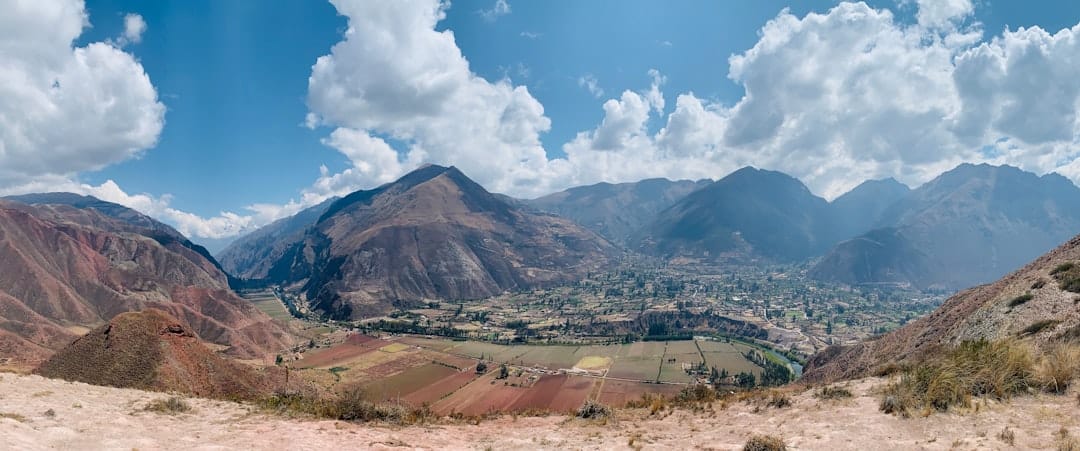
Sacred Valley of the Incas

Ready to Start Your Peru Visa?

Book a free consultation to discuss your visa options and create a personalized plan for your move to Peru.

No obligation — just honest answers about your visa options.

GET STARTED

Book Your Free Consultation

Get expert guidance on your Peru visa options within 24 hours.

By submitting this form, you agree to our privacy policy. We'll never share your information.