Peru Investor Visa: Is the $130K Investment Worth It?
Back to Blog

Peru Investor Visa: Is the $130K Investment Worth It?

February 9, 2026PeruVisasVisa GuidesUpdated February 2026

Understanding Peru's Investor Visa

Peru's investor visa (visa de inversionista) is designed for foreign nationals who want to obtain residency by making a significant financial investment in the country. Unlike the rentista visa, which requires ongoing passive income, the investor visa requires a lump-sum capital investment in a Peruvian business, real estate, or financial instrument.

The minimum investment threshold in 2026 is approximately $130,000 USD (500,000 PEN), though this amount is denominated in soles and fluctuates with the exchange rate. This investment must be verifiable, legal, and maintained throughout your residency period.

The question every prospective applicant asks is straightforward: is it worth it? The answer depends on your financial situation, goals, and how you structure the investment.

Investment Requirements in Detail

MIGRACIONES requires that your investment meet several criteria:

1. Minimum Amount The investment must be at least 500,000 PEN (approximately $130,000 USD at current exchange rates). This is a firm minimum — there is no flexibility below this threshold.

2. Qualifying Investment Types

  • Real estate: Purchasing property in Peru (residential, commercial, or land)
  • Business formation: Starting or investing in a Peruvian company (SAC, SRL, or SA)
  • Financial instruments: Deposits in Peruvian banks, government bonds, or approved investment funds
  • Existing business acquisition: Purchasing an established Peruvian business

3. Documentation You must demonstrate the legal origin of your investment funds through:

  • Bank statements showing the source of funds
  • Wire transfer records showing funds moved to Peru
  • Peruvian bank deposit confirmations
  • Business registration documents (SUNARP)
  • Property title documents (if real estate)

4. Maintenance The investment must be maintained for the duration of your residency. Selling your investment property or withdrawing your business capital can jeopardize your visa status.

Real Estate as an Investment Path

Real estate is the most popular vehicle for the investor visa, and Peru's property market offers interesting opportunities.

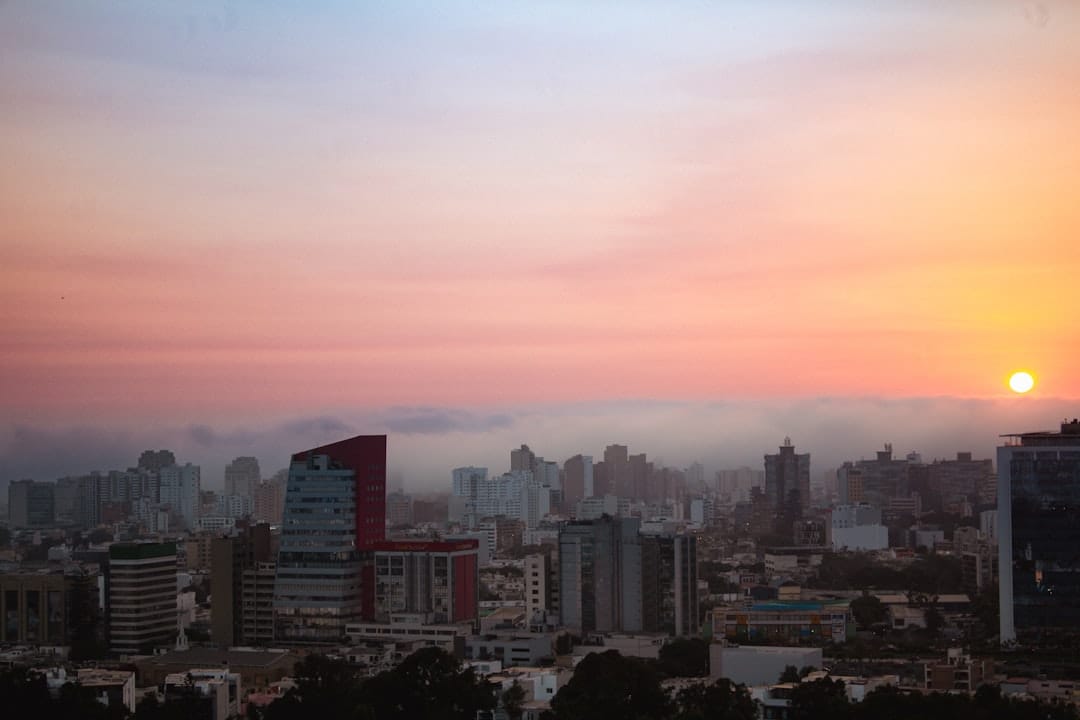
Lima Real Estate Market

Lima's real estate market has been growing steadily, with prices in premium districts appreciating 3-6% annually over the past five years. Key districts for investment:

  • Miraflores: The expat epicenter. One-bedroom apartments start at $80,000-$120,000. Two-bedroom units from $120,000-$200,000. Strong rental demand from tourists and business travelers.
  • Barranco: Slightly cheaper than Miraflores with a trendier vibe. Prices 10-20% below Miraflores. Growing rapidly.
  • San Isidro: Lima's financial district. Premium prices but strong corporate rental demand.
  • Surco and La Molina: Suburban districts popular with families. Lower prices, larger properties, good rental yields.

Investment Property Returns

District Purchase Price (1BR) Monthly Rent Gross Yield
Miraflores $100,000-$140,000 $600-$900 6-8%
Barranco $85,000-$120,000 $500-$750 6-7%
San Isidro $120,000-$180,000 $700-$1,000 5-7%
Cusco (Centro) $70,000-$110,000 $400-$700 6-8%
Arequipa $60,000-$90,000 $300-$500 5-7%

Key considerations:

  • Gross yields of 5-8% are achievable, but net yields after property management, maintenance, vacancy, and taxes are typically 3-5%.
  • Peruvian property law allows full foreign ownership with no restrictions.
  • Property taxes in Peru are very low — typically 0.2-1% of assessed value annually.
  • Rental income is taxed at a flat 5% rate for non-domiciled individuals.
  • Short-term rental (Airbnb) yields can be higher (8-12%) in tourist areas like Miraflores and Cusco, but require more management.

Buying Process

Purchasing property in Peru as a foreigner is relatively straightforward:

  1. Obtain a RUC (tax identification number) from SUNAT
  2. Open a Peruvian bank account to receive and hold funds
  3. Find a property (work with a licensed real estate agent)
  4. Due diligence through SUNARP (public registry) to verify clean title
  5. Sign a minuta (purchase agreement) with a notary
  6. Register the property at SUNARP
  7. Pay the alcabala (transfer tax) of 3% on the portion above 10 UIT

The entire process typically takes 4-8 weeks from offer to title registration.

Business Formation

Starting a Peruvian business is the other common investment visa path. This can range from a genuine operating business to a holding company structure.

Business Types

  • SAC (Sociedad Anónima Cerrada): Closed corporation. Most common for small to medium businesses. 2-20 shareholders.
  • SRL (Sociedad de Responsabilidad Limitada): Limited liability company. Similar to a US LLC. 2-20 members.
  • SA (Sociedad Anónima): Open corporation. For larger businesses. Can have unlimited shareholders.
  • EIRL (Empresa Individual de Responsabilidad Limitada): Single-owner entity. Simpler but more limited.

Formation Costs and Process

Item Cost
Legal fees (attorney) $1,000-$3,000
Notary fees $200-$500
SUNARP registration $50-$100
SUNAT (RUC) registration Free
Municipal business license $100-$300
Accounting setup $200-$500
Total formation cost $1,550-$4,400

The business must have a genuine commercial purpose. MIGRACIONES may scrutinize shell companies or businesses with no real operations. Having a business plan, office space, and ideally some employees strengthens your application.

Job Creation Requirements

While Peru does not have a formal job creation mandate tied to the investor visa (unlike some countries), employing Peruvian workers significantly strengthens your application and renewal prospects. MIGRACIONES looks favorably on investments that contribute to the local economy.

As a practical matter, any operating business in Peru will need at least one or two local employees for administration, accounting, and compliance.

ROI Analysis

Let us compare the investor visa investment to simply renting and applying for a rentista visa instead.

Scenario A: Investor Visa via Real Estate

  • Investment: $130,000 in a Miraflores apartment
  • Rental income: $700/month ($8,400/year)
  • Net yield (after expenses): 4% = $5,200/year
  • Property appreciation: 4%/year = $5,200/year
  • Total annual return: ~$10,400 (8% combined)
  • Visa cost: ~$1,000/year (fees + attorney)

You have a tangible asset that generates income, appreciates, and secures your visa.

Scenario B: Rentista Visa (Keep $130K Invested in US)

  • Investment: $130,000 in a US index fund (S&P 500)
  • Average annual return: 8-10% = $10,400-$13,000
  • Visa qualification: Need $1,000/month passive income from any source
  • Visa cost: ~$500/year (fees + attorney)

You maintain maximum financial flexibility and likely earn a comparable or slightly higher return, but you do not build equity in Peru.

The Honest Assessment

From a pure financial return perspective, the investor visa is not necessarily superior to the rentista visa. The S&P 500 has historically outperformed Peruvian real estate in dollar terms. However, the investor visa offers advantages that do not show up in a simple ROI calculation:

  • Tangible asset in Peru: You own property or a business that serves your daily life
  • Rental income in soles: Natural hedge against exchange rate fluctuation
  • Faster processing: Investor visa applications are often prioritized
  • Stronger residency status: Perceived as a more "serious" commitment to Peru
  • Business opportunities: A Peruvian company opens doors for contracts, partnerships, and additional income streams

Alternative Visa Paths

If the investor visa's $130,000 threshold is too high, or if you want to explore other options:

Rentista Visa ($1,000/month income)

The most accessible option for retirees and anyone with passive income. No lump-sum investment required.

Work Visa (Employer-Sponsored)

If you have a job offer from a Peruvian company, the employer handles most of the visa process. No personal investment required, but you need a formal employment contract.

Professional Visa (Independiente)

For self-employed professionals with verifiable credentials. Requires proof of professional qualifications and contracts with Peruvian clients.

Marriage/Family Visa

Marriage to a Peruvian citizen provides a direct path to residency without income or investment requirements.

Tourist Visa (183 Days)

Not a long-term solution, but Peru's generous 183-day tourist allowance lets you spend half the year in Peru without any visa process. Some retirees alternate between Peru and another country.

Who Should Consider the Investor Visa?

The investor visa makes the most sense for:

  • Retirees who want to own property in Peru anyway. If you plan to buy a home, you might as well use it to secure your visa.
  • Entrepreneurs who see business opportunities. Peru's growing economy, young workforce, and strategic position in South America make it an interesting market.
  • High-net-worth individuals who want the strongest possible residency status and do not mind the capital commitment.
  • People who do not qualify for the rentista visa. If your monthly passive income is below $1,000, but you have savings, the investor visa may be your only option.

Who Should Skip It?

  • Retirees on fixed budgets who would need to deplete their savings to meet the threshold. Tying up $130,000 in a single foreign asset creates concentration risk.
  • People who prefer liquidity. Your investment must be maintained for your residency to remain valid. Selling or withdrawing jeopardizes your visa.
  • First-time visitors. Never invest $130,000 in a country you have only read about. Spend time in Peru on a tourist visa first.

Final Thoughts

The Peru investor visa is a legitimate and attractive pathway to residency, but it is not a shortcut. The $130,000 investment is real money that comes with real risk and real opportunity. For the right person — someone who wants to build a life and possibly a business in Peru — it can be a rewarding decision both financially and personally.

For everyone else, the rentista visa offers a simpler, more flexible entry point with a much lower barrier. Start there, explore the country, and consider upgrading to an investor visa later if Peru proves to be your long-term home.

Tags

investor visainvestmentreal estate
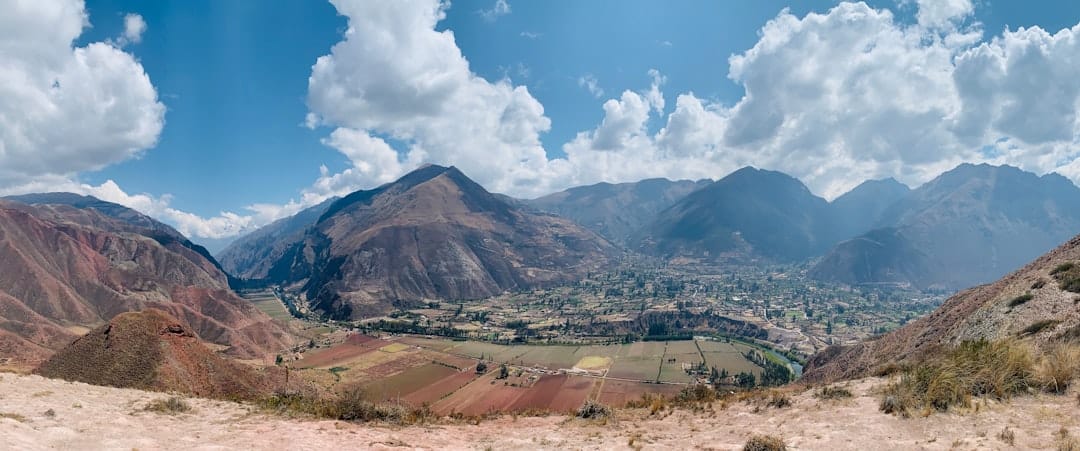
Sacred Valley of the Incas

Ready to Start Your Peru Visa?

Book a free consultation to discuss your visa options and create a personalized plan for your move to Peru.

No obligation — just honest answers about your visa options.

GET STARTED

Book Your Free Consultation

Get expert guidance on your Peru visa options within 24 hours.

By submitting this form, you agree to our privacy policy. We'll never share your information.