Peru Healthcare for Expats: Complete Guide 2026
Back to Blog

Peru Healthcare for Expats: Complete Guide 2026

February 10, 2026PeruVisasLiving in PeruUpdated February 2026

Healthcare in Peru: Better Than You Expect

Healthcare is consistently the top concern for expats considering a move to Peru, and it is the area where expectations are most frequently exceeded. Peru's private healthcare system — particularly in Lima — offers quality that rivals many Western countries, at prices that seem almost unbelievable to Americans accustomed to five-figure hospital bills.

The system is not perfect. Public healthcare is underfunded and overcrowded. Rural areas have limited access. And navigating insurance as a foreigner requires planning. But for expats who understand their options and choose wisely, Peru delivers excellent medical care at a fraction of what they paid back home.

This guide covers everything you need to know.

The Two-Tier System

Peru operates a dual healthcare system: a public system accessible to all residents and a private system that provides higher quality care for those who can pay.

Public Healthcare: EsSalud

EsSalud (Seguro Social de Salud) is Peru's social health insurance system, operated by the government and funded through employer contributions. It covers approximately 35% of the population.

Who can access it:

  • Peruvian citizens who contribute through employment
  • Foreign residents with a Carné de Extranjería who are formally employed (employer pays 9% of salary to EsSalud)
  • Pensioners receiving benefits through the Peruvian system
  • Dependents (spouse and children under 18) of enrolled members

What it covers:

  • General consultations
  • Specialist referrals
  • Hospitalization
  • Surgery
  • Maternity care
  • Prescription medications
  • Laboratory tests and imaging
  • Emergency care

The reality: EsSalud is comprehensive on paper but strained in practice. Wait times for specialist appointments can stretch weeks to months. Hospitals are often overcrowded, particularly in Lima. Facilities range from adequate in major cities to basic in rural areas.

That said, EsSalud has some excellent hospitals:

  • Hospital Nacional Edgardo Rebagliati (Lima): One of the largest and most capable public hospitals in Latin America
  • Hospital Nacional Guillermo Almenara (Lima): Strong surgical departments
  • Hospital Nacional Adolfo Guevara Velasco (Cusco): The main EsSalud facility for the Cusco region

Our recommendation: If you qualify for EsSalud through employment, enroll — it provides a valuable safety net. But do not rely on it as your primary healthcare solution. Supplement with private insurance or budget for out-of-pocket private care.

SIS (Seguro Integral de Salud)

SIS is Peru's public insurance program for people who lack EsSalud coverage and cannot afford private care. It primarily serves low-income Peruvians. Foreign residents are generally not eligible for SIS unless they meet specific vulnerability criteria.

MINSA (Ministerio de Salud)

Peru's Ministry of Health operates its own network of hospitals and clinics, separate from EsSalud. These facilities serve the general population and accept SIS patients. Quality varies widely — some MINSA hospitals in Lima are well-equipped, while rural clinics may lack basic supplies.

Private Healthcare

This is where most expats receive their care, and it is the bright spot of Peru's healthcare landscape.

Quality

Lima's top private hospitals are accredited, modern, and staffed by physicians who trained at top international institutions. Many doctors completed residencies or fellowships in the US, Europe, or Brazil. English-speaking doctors are available at major facilities in Lima and, to a lesser extent, in Arequipa and Cusco.

Private hospitals feature:

  • Modern diagnostic equipment (MRI, CT, ultrasound, digital X-ray)
  • Clean, well-maintained facilities
  • Short wait times (days, not weeks)
  • Private rooms for inpatients
  • 24/7 emergency departments
  • International patient departments at some facilities

Best Private Hospitals

Lima

Hospital Location Strengths English Services
Clínica Anglo Americana San Isidro General, emergency, surgery Excellent
Clínica Ricardo Palma San Isidro Cardiology, oncology, orthopedics Good
Clínica San Felipe Jesús María Pediatrics, maternity, general Moderate
Clínica Internacional San Isidro Gastroenterology, neurology Good
Clínica Delgado (AUNA) Miraflores Surgery, emergency, imaging Good
Clínica Javier Prado San Isidro Urology, nephrology Moderate
Oncosalud Multiple Oncology (Peru's leading cancer center) Good

Arequipa

Hospital Strengths
Clínica San Juan de Dios General, surgery, emergency
AUNA Arequipa Multi-specialty, modern facility
Clínica Arequipa General medicine, orthopedics

Cusco

Hospital Strengths
Clínica Pardo General, emergency
MAC Salud Outpatient, consultations
Hospital Regional (MINSA) Emergency, general (public but capable)

Costs

Private healthcare costs in Peru range from 50-80% less than equivalent services in the United States. Here is a detailed comparison:

Service US Cost Peru Private Cost Savings
General practitioner visit $150-$300 $20-$50 80-85%
Specialist consultation $250-$500 $40-$80 80-85%
Emergency room visit $1,500-$5,000 $50-$200 95-97%
Routine blood work panel $200-$500 $20-$60 85-90%
MRI scan $1,000-$3,000 $150-$300 85-90%
CT scan $500-$2,000 $80-$200 84-90%
Echocardiogram $500-$1,500 $60-$150 88-90%
Knee replacement surgery $30,000-$60,000 $6,000-$12,000 80%
Heart bypass surgery $70,000-$150,000 $15,000-$30,000 79-80%
Appendectomy $15,000-$35,000 $2,000-$5,000 85-87%
Normal childbirth (hospital) $10,000-$30,000 $1,500-$3,000 85-90%
Cataract surgery $3,000-$5,000 $800-$1,500 70-73%

These prices are for uninsured out-of-pocket payment at private facilities. With insurance, your costs are even lower (copays typically range from $5-$30).

Insurance Options

Peruvian Private Insurance

Domestic Peruvian health insurance companies offer comprehensive plans at competitive rates. The major providers:

Pacifico Seguros Peru's largest private health insurer. Offers individual and family plans with extensive provider networks. Known for good customer service and fast claims processing.

  • Individual plans: $100-$300/month depending on age and coverage
  • Family plans: $200-$500/month
  • Deductibles: $500-$2,000 annually

Rimac Seguros Another major domestic insurer with a large provider network. Competitive pricing and comprehensive coverage.

  • Individual plans: $90-$280/month
  • Includes dental and vision in some plans
  • Good network in major cities

Mapfre Peru Spanish-based insurer with a strong presence in Peru. Offers plans that can cover you in other Latin American countries as well.

  • Individual plans: $100-$250/month
  • International coverage options available

AUNA (formerly Oncosalud) Specializes in oncology coverage but has expanded to general health plans. If cancer coverage is a priority, AUNA is the top choice.

International Health Insurance

For expats who want broader geographic coverage or plan to split time between Peru and other countries:

Cigna Global

  • Comprehensive international plans
  • Strong Peru provider network
  • Plans from $200-$500/month depending on age and coverage level
  • Includes medical evacuation

Allianz Care

  • European-based international insurer
  • Plans customizable by region and coverage level
  • Good for expats who may relocate within Latin America
  • Plans from $180-$450/month

GeoBlue (Blue Cross Global)

  • US-based international option
  • Plans that include US coverage (important if you return to the US for care)
  • Premium pricing: $300-$700/month

IMG (International Medical Group)

  • Budget-friendly international option
  • Plans from $150-$350/month
  • Medical evacuation included

Choosing Insurance: Key Considerations

  1. Age matters significantly. Premiums increase dramatically after age 60. A plan costing $150/month at age 50 might cost $350+/month at age 70. Apply for coverage as young as possible.

  2. Pre-existing conditions. Most Peruvian and international insurers impose waiting periods (6-24 months) for pre-existing conditions. Some exclude them entirely. Disclose everything honestly — a denied claim due to non-disclosure is worse than a higher premium.

  3. Does it cover the US? If you plan to visit the US for care, you need a plan that specifically includes US coverage. Most Peru-only plans do not. GeoBlue and some Cigna plans do.

  4. Medical evacuation. For serious conditions that exceed Peru's capabilities, medical evacuation to the US or another country can cost $50,000-$100,000+. Ensure your plan includes evacuation coverage.

  5. Deductibles and copays. Lower premiums mean higher out-of-pocket costs per visit. Balance your monthly budget against your expected healthcare usage.

Dental Care

Peru is a top destination for dental tourism, and expats benefit from this year-round. Dental care quality in Lima's top practices is excellent, with many dentists trained in the US or Europe and using the same equipment and materials.

Dental Costs

Procedure US Cost Peru Cost
Cleaning and checkup $100-$300 $30-$50
Filling (composite) $150-$400 $30-$60
Root canal $800-$1,500 $100-$200
Crown (porcelain) $1,000-$2,000 $150-$300
Dental implant $3,000-$5,000 $800-$1,500
Teeth whitening $300-$600 $80-$150
Veneers (per tooth) $1,000-$2,500 $250-$500
Full dentures $1,500-$3,000 $400-$800

Recommended Dental Clinics (Lima)

  • Multident: Peru's largest dental chain with clinics throughout Lima. Standardized quality, competitive prices.
  • Dental Group Clínica Odontológica: High-end practice in San Isidro popular with expats.
  • Dr. Dental: Multiple locations, good for routine care.

Tip: Many Peruvian health insurance plans include basic dental coverage (cleaning, checkups, X-rays). More extensive dental work is typically out-of-pocket, but the prices are so low that dental insurance is often unnecessary.

Prescriptions and Pharmacies

Peru's pharmacies (farmacias and boticas) are everywhere, and prescription medications are significantly cheaper than in the US.

Key Points

  • Many medications available without prescription. Antibiotics, blood pressure medications, anti-inflammatories, and many other drugs that require prescriptions in the US can be purchased over the counter in Peru. This is convenient but carries risk — always consult a doctor before starting new medications.

  • Generic medications are widely available. Peru requires pharmacies to offer generic alternatives, which can be 50-90% cheaper than brand names.

  • Controlled substances (opioids, benzodiazepines, stimulants) do require a Peruvian prescription.

  • Major pharmacy chains: InkaFarma, MiFarma, and Boticas y Salud have locations throughout Peru with standardized pricing. InkaFarma is the largest.

Common Medication Prices

Medication US Price (30-day supply) Peru Price
Atorvastatin (Lipitor generic) $15-$50 $3-$8
Losartan (blood pressure) $10-$30 $2-$6
Metformin (diabetes) $10-$30 $2-$5
Omeprazole (acid reflux) $15-$40 $2-$6
Amoxicillin (antibiotic) $10-$30 $2-$5
Ibuprofen (200mg, 30 tablets) $8-$15 $1-$3

Important: If you take specialized medications, verify availability in Peru before your move. Some newer or niche medications may not be available or may require import. Bring a sufficient supply to cover your transition period.

Medicare and Peru

Medicare does not cover you in Peru. This is one of the most important facts for American retirees to understand. Once you leave the US, Medicare provides zero coverage (with rare exceptions for emergency care in specific border areas with Canada and Mexico).

Your options:

  1. Peruvian private insurance — the most common and cost-effective choice
  2. International insurance — broader coverage but higher premiums
  3. Pay out of pocket — viable in Peru given the low costs, especially for routine care. Carry catastrophic coverage for emergencies.
  4. Medical tourism back to the US — some retirees maintain Medicare Part A (free) and return to the US for major procedures. This requires maintaining US residency and Part A enrollment.

Mental Health Services

Mental health services in Peru have expanded significantly in recent years, though they remain less developed than physical healthcare.

  • Psychiatrists and psychologists are available in private practice in Lima, Arequipa, and Cusco. Consultations run $30-$80.
  • English-speaking therapists are available in Lima, primarily through international clinics and expat-focused practices.
  • Online therapy platforms (BetterHelp, Talkspace) work from Peru and may be a more accessible option for English-speaking expats.
  • Support groups: Alcoholics Anonymous, grief support, and other groups have English-language meetings in Lima.

Emergency Care

In a medical emergency, the key numbers and facilities to know:

  • Emergency number: 116 (SAMU — national medical emergency system)
  • Fire/general emergency: 116
  • Police: 105

Emergency rooms at private hospitals do not require insurance or upfront payment for life-threatening conditions. They will stabilize you first and handle billing afterward.

Ambulance services in Peru are improving but inconsistent outside Lima. In major cities, SAMU ambulances respond to 116 calls. Response times vary from 10-30 minutes in Lima to potentially longer elsewhere.

Tip: If you are in a non-life-threatening emergency and can travel, take an Uber or taxi directly to the nearest private hospital emergency room. It is often faster than waiting for an ambulance.

Building Your Healthcare Strategy

Here is a practical framework for expat healthcare in Peru:

  1. Before you move: Get comprehensive medical and dental checkups in your home country. Bring a copy of your medical records (translated into Spanish if possible). Stock up on any specialized medications.

  2. Upon arrival: Enroll in a Peruvian private insurance plan. Register with a general practitioner for primary care. Identify your nearest private hospital emergency room.

  3. Ongoing: Use private healthcare for routine and specialist care. Keep EsSalud as a backup if you qualify through employment. Budget $150-$350/month for insurance plus $50-$100/month for out-of-pocket expenses (dental, medications, copays).

  4. For emergencies: Have your insurance card accessible at all times. Keep the address of your nearest private hospital in your phone. Consider adding medical evacuation coverage if you live outside Lima.

Peru's healthcare system rewards those who plan ahead and understand their options. The quality is there. The prices are exceptional. With the right preparation, healthcare in Peru can be one of the best aspects of your expat experience rather than a source of anxiety.

Tags

healthcareinsuranceexpat life
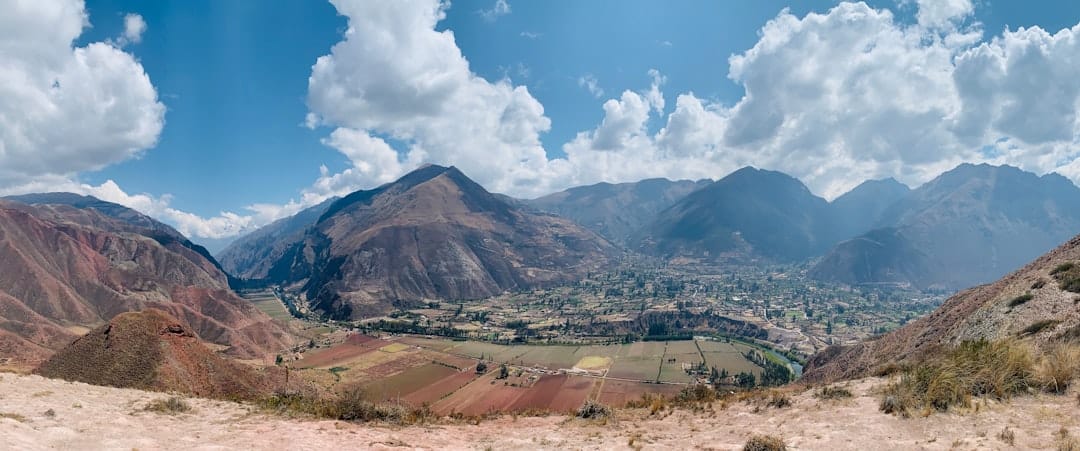
Sacred Valley of the Incas

Ready to Start Your Peru Visa?

Book a free consultation to discuss your visa options and create a personalized plan for your move to Peru.

No obligation — just honest answers about your visa options.

GET STARTED

Book Your Free Consultation

Get expert guidance on your Peru visa options within 24 hours.

By submitting this form, you agree to our privacy policy. We'll never share your information.