7 Best Cities for Expats in Peru (2026 Guide)
Back to Blog

7 Best Cities for Expats in Peru (2026 Guide)

February 6, 2026PeruVisasLiving in PeruUpdated February 2026

Finding Your Place in Peru

Peru is a country of staggering geographic and cultural diversity. From the desert coast to the Andean highlands to the Amazon basin, each region offers a fundamentally different lifestyle. Choosing the right city is one of the most consequential decisions you will make as an expat.

This guide covers the seven best cities for foreign residents in 2026, with honest assessments of what each offers — and what it lacks.

1. Lima — Miraflores and Barranco

Population: 10+ million (metro) Altitude: Sea level Climate: Mild coastal desert. Warm and sunny December-April (25-30°C). Cool and overcast May-November (15-19°C). Monthly budget (single, mid-range): $1,200-$1,800

Lima is the default choice for a reason. It is Peru's economic, cultural, and culinary capital, and it offers the most developed infrastructure for expat life in the country.

Miraflores

Miraflores is where most expats land and many never leave. This oceanfront district has the feel of a well-maintained Southern California neighborhood: wide sidewalks, manicured parks (Parque Kennedy, Malecón), abundant restaurants, modern shopping at Larcomar, and reliable services.

What makes it great:

  • Walking distance to nearly everything you need
  • Dozens of coworking spaces and cafes with fast WiFi
  • World-class restaurants at every price point
  • Active expat community with regular meetups and social events
  • Best healthcare facilities nearby (Clínica Anglo Americana, Clínica Ricardo Palma)
  • Paragliding over the cliffs, ocean views, and sunset walks along the Malecón

What to know:

  • Higher rent than anywhere else in Peru ($500-$1,200 for a one-bedroom)
  • Can feel like an "expat bubble" if you do not venture out
  • Traffic and noise on major avenues
  • The garúa (gray, drizzly overcast) from May to November is real and affects some people's mood

Barranco

Immediately south of Miraflores, Barranco is Lima's bohemian heart. It is where artists, musicians, writers, and younger expats gravitate. The architecture is colonial-meets-street-art, the nightlife is the best in Lima, and the Puente de los Suspiros (Bridge of Sighs) is one of the most romantic spots in the city.

What makes it great:

  • Creative, artistic energy
  • More authentically Peruvian than Miraflores
  • Excellent bars, galleries, and live music venues
  • Slightly lower rents than Miraflores
  • Growing number of coworking spaces

What to know:

  • Fewer supermarkets and practical services than Miraflores
  • Nightlife noise can be an issue on weekends
  • Some streets are less well-maintained

Lima Verdict

Best for: Professionals, digital nomads, food lovers, retirees who want maximum convenience, anyone who needs international flights and top healthcare. Lima is the safe, comfortable, fully-featured choice.

2. Cusco — Sacred Valley Gateway

Population: 450,000 (city) Altitude: 3,400 meters (11,152 feet) Climate: Cold nights (0-5°C), mild sunny days (15-20°C). Rainy season November-March. Monthly budget (single, mid-range): $900-$1,500

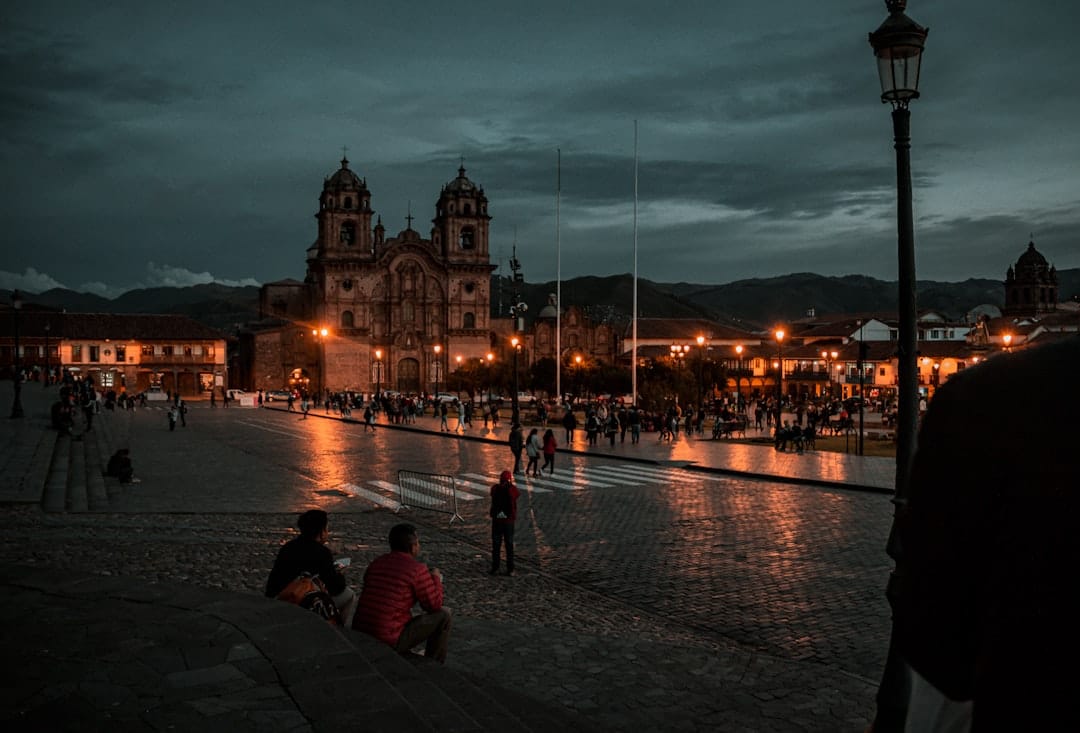
Cusco is magnetic. The former capital of the Inca Empire is visually stunning, culturally profound, and spiritually charged. It attracts a particular kind of expat — one drawn to history, adventure, and a life lived at a different pace.

What makes it great:

  • Unmatched historical and archaeological heritage
  • Strong international community (though transient)
  • Gateway to Machu Picchu, the Sacred Valley, and countless Andean treks
  • Affordable living outside the tourist center
  • Rich spiritual and wellness scene (yoga, plant medicine, retreats)
  • Vibrant food scene blending Andean and international cuisines

What to know:

  • Altitude is the elephant in the room. At 3,400 meters, Cusco's thin air is a genuine health consideration. People with heart conditions, respiratory issues, or hypertension should consult their doctor. Acclimatization takes 1-3 days and can involve headaches, fatigue, and shortness of breath.
  • Tourist-area prices are inflated. Living like a local in Wanchaq or Santiago cuts costs dramatically.
  • Cold nights year-round. Heating is not standard in Peruvian homes, so budget for portable heaters.
  • The expat community skews younger and more transient (backpackers, yoga practitioners, seasonal workers). Finding long-term expat friends takes more effort.
  • Internet speeds are decent in the center (30-80 Mbps) but unreliable in outlying areas.

The Sacred Valley Alternative

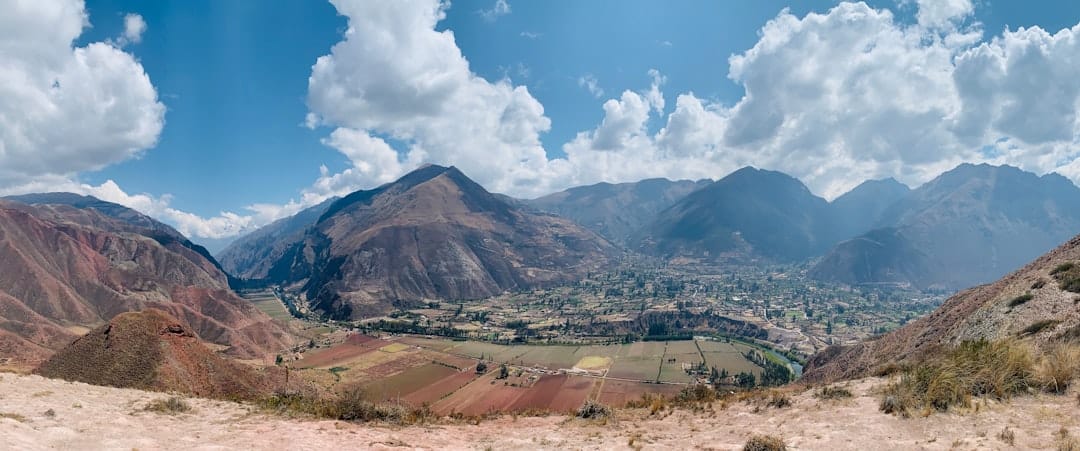
Many Cusco-area expats settle in the Sacred Valley — specifically Ollantaytambo, Pisac, or Urubamba. These towns sit at a lower altitude (2,800m), enjoy warmer weather, and offer a quieter lifestyle surrounded by agricultural beauty. Rents are 20-40% less than Cusco city.

Best for: Adventurers, spiritual seekers, history enthusiasts, writers and artists, anyone who thrives in a compact international community.

3. Arequipa — The White City

Population: 1.1 million Altitude: 2,335 meters (7,660 feet) Climate: Over 300 days of sunshine per year. Dry and pleasant. Daytime 20-25°C, nights 10-15°C. Monthly budget (single, mid-range): $850-$1,400

Arequipa is the city that quietly wins over almost everyone who visits. Peru's second largest city is built from white volcanic sillar stone, backed by the dramatic El Misti volcano, and blessed with year-round sunshine that makes Lima's garúa seem criminal.

What makes it great:

  • The weather. 300+ sunny days per year at a comfortable altitude. This alone makes it worth considering.
  • UNESCO World Heritage historic center with stunning colonial architecture
  • Peru's best regional cuisine (picanterías, chupe de camarones, rocoto relleno)
  • Growing expat community that is established enough to be useful but small enough to be tight-knit
  • Good healthcare: Clínica San Juan de Dios, AUNA Arequipa
  • Moderate altitude — much more manageable than Cusco
  • Excellent day trips: Colca Canyon (deeper than the Grand Canyon), Salinas y Aguada Blanca nature reserve

What to know:

  • Limited international flights (most routes go through Lima)
  • Smaller English-speaking community than Lima or Cusco
  • Earthquake risk (Arequipa sits in a seismically active zone, though construction standards have improved)
  • Nightlife and entertainment options are more limited than Lima
  • Dry climate means occasional water shortages

Best neighborhoods: Cayma, Yanahuara, and Vallecito for expats. The historic center for cultural immersion.

Best for: Retirees, couples, sun-seekers, food lovers, anyone who wants a real Peruvian city experience without the crowds and costs of Lima.

4. Trujillo — The Hidden Gem

Population: 900,000 Altitude: 34 meters (sea level) Climate: Warm and dry year-round. 18-28°C. Rarely rains. Monthly budget (single, mid-range): $750-$1,200

Trujillo is the city that almost never appears on expat lists, and that is exactly what makes it appealing. Peru's third-largest city is a legitimate metropolis with modern infrastructure, warm coastal weather, rich history, and prices that make even Arequipa look expensive.

What makes it great:

  • Authentically Peruvian. Very few tourists, almost no expat bubble. You will live a genuinely local life.
  • Warm year-round with almost no rain
  • Home to Chan Chan, the world's largest adobe city (UNESCO World Heritage)
  • Huanchaco beach is 15 minutes away — a charming fishing village with surf culture
  • Extremely affordable — some of the lowest urban rents in Peru
  • Modern malls, hospitals, and universities
  • Rich archaeological heritage (Moche, Chimú civilizations)

What to know:

  • Very small expat community. You will need to make Peruvian friends (not a bad thing).
  • English is not widely spoken. Basic Spanish is essential.
  • Fewer international restaurants and cultural events compared to Lima
  • Healthcare is good but not on par with Lima's top private hospitals
  • Airport has limited domestic routes

Best for: Budget-conscious retirees, Spanish learners, beach lovers, anyone who wants to experience real Peru without the tourist infrastructure.

5. Huancayo — The Affordable Highland

Population: 500,000 Altitude: 3,271 meters (10,728 feet) Climate: Similar to Cusco — cool nights, mild sunny days. Rainy season November-March. Monthly budget (single, mid-range): $600-$1,000

Huancayo is the capital of Peru's Junín region, set in the beautiful Mantaro Valley in the central highlands. It is one of the most affordable cities in Peru and offers a deeply traditional Andean lifestyle.

What makes it great:

  • Incredibly affordable — rent for a decent apartment can be $150-$300/month
  • Rich traditional culture: festivals, markets, music, dance
  • The Mantaro Valley is one of Peru's most productive agricultural regions, meaning fresh, cheap produce
  • Warm, welcoming local population
  • Stunning natural surroundings with hiking and outdoor recreation
  • Train route from Lima (Ferrocarril Central Andino) is one of the world's great rail journeys

What to know:

  • Very few expats. You will be a novelty.
  • High altitude with cold nights
  • Limited healthcare compared to Lima
  • Internet can be unreliable
  • Spanish is essential; virtually no English spoken
  • Limited nightlife and international dining

Best for: Budget expats, cultural immersion seekers, retirees with adventurous spirits, Spanish-fluent individuals who want to live deep in Andean Peru.

6. Iquitos — The Amazon Gateway

Population: 480,000 Altitude: 106 meters (348 feet) Climate: Tropical. Hot and humid year-round, 25-35°C. Frequent rain. Monthly budget (single, mid-range): $700-$1,100

Iquitos is unlike anywhere else in Peru — or the world. It is the largest city in the world that cannot be reached by road. You fly in or take a boat. This isolation creates a unique culture, pace of life, and community that either captivates or overwhelms.

What makes it great:

  • Gateway to the Peruvian Amazon — the most biodiverse place on Earth
  • Unique, vibrant culture blending indigenous and mestizo traditions
  • Extremely affordable
  • Adventure opportunities are unlimited: jungle lodges, river expeditions, wildlife encounters
  • A growing community of long-term foreign residents, particularly in the wellness and eco-tourism sectors
  • Distinctive cuisine featuring Amazonian ingredients (juane, tacacho, river fish)

What to know:

  • Heat and humidity are constant. If you do not tolerate tropical climates, Iquitos is not for you.
  • No road access — everything is shipped by boat or flown in, making some goods expensive
  • Healthcare is basic. Serious medical issues require a flight to Lima.
  • Infrastructure is less developed than coastal or highland cities
  • Mosquitoes and tropical diseases (dengue, malaria) are real concerns. Preventive measures are essential.
  • Internet is improving but still slower and less reliable than other cities

Best for: Nature lovers, adventurers, eco-tourism professionals, anyone who dreams of living in or near the Amazon rainforest.

7. Huaraz — The Mountain Capital

Population: 160,000 Altitude: 3,052 meters (10,013 feet) Climate: Dry and sunny May-September, rainy October-April. Cool nights, mild days. Monthly budget (single, mid-range): $600-$1,000

Huaraz is the capital of Peru's Áncash region and the gateway to the Cordillera Blanca — the highest tropical mountain range in the world. It is a paradise for outdoor enthusiasts and a surprisingly livable small city.

What makes it great:

  • World-class trekking, climbing, and mountaineering (Huascarán National Park, Santa Cruz trek, Laguna 69)
  • Tight-knit international community of climbers, trekkers, and outdoor guides
  • Affordable living
  • Stunning scenery in every direction
  • Growing tourism infrastructure with good restaurants and cafes
  • Quieter, slower pace of life

What to know:

  • Small city with limited urban amenities
  • High altitude (though lower than Cusco)
  • Healthcare facilities are basic
  • Economy is seasonal — the adventure tourism sector peaks May-September
  • Cold nights require proper housing and heating
  • Limited flight access (small airport with infrequent service; most people bus from Lima, 8 hours)

Best for: Outdoor enthusiasts, mountaineers, trekkers, photographers, anyone who wants mountain life at Andean prices.

Quick Comparison Table

City Monthly Budget Altitude Climate Expat Community Best For
Lima $1,200-$1,800 Sea level Mild coastal Large Convenience, food, healthcare
Cusco $900-$1,500 3,400m Cool, rainy season Medium History, adventure, spirituality
Arequipa $850-$1,400 2,335m Sunny year-round Growing Sunshine, food, balance
Trujillo $750-$1,200 Sea level Warm year-round Small Affordability, authenticity
Huancayo $600-$1,000 3,271m Cool highland Very small Budget, immersion
Iquitos $700-$1,100 106m Tropical Small Amazon, nature, adventure
Huaraz $600-$1,000 3,052m Dry/rainy seasons Small Mountains, outdoor sports

How to Choose

There is no wrong choice on this list — only choices that fit your priorities better than others. Here is a framework:

  • Prioritize convenience and healthcare? Lima.
  • Prioritize weather? Arequipa or Trujillo.
  • Prioritize adventure? Cusco, Iquitos, or Huaraz.
  • Prioritize budget? Huancayo or Trujillo.
  • Prioritize culture and food? Lima or Arequipa.
  • Prioritize community? Lima (largest expat community) or Cusco (most concentrated).

The best approach is always to visit before committing. Peru's domestic flights are cheap ($40-$100 one way), and spending a week in each city will tell you more than any article can.

Tags

expat lifecitiesPeru
Sacred Valley of the Incas

Ready to Start Your Peru Visa?

Book a free consultation to discuss your visa options and create a personalized plan for your move to Peru.

No obligation — just honest answers about your visa options.

GET STARTED

Book Your Free Consultation

Get expert guidance on your Peru visa options within 24 hours.

By submitting this form, you agree to our privacy policy. We'll never share your information.